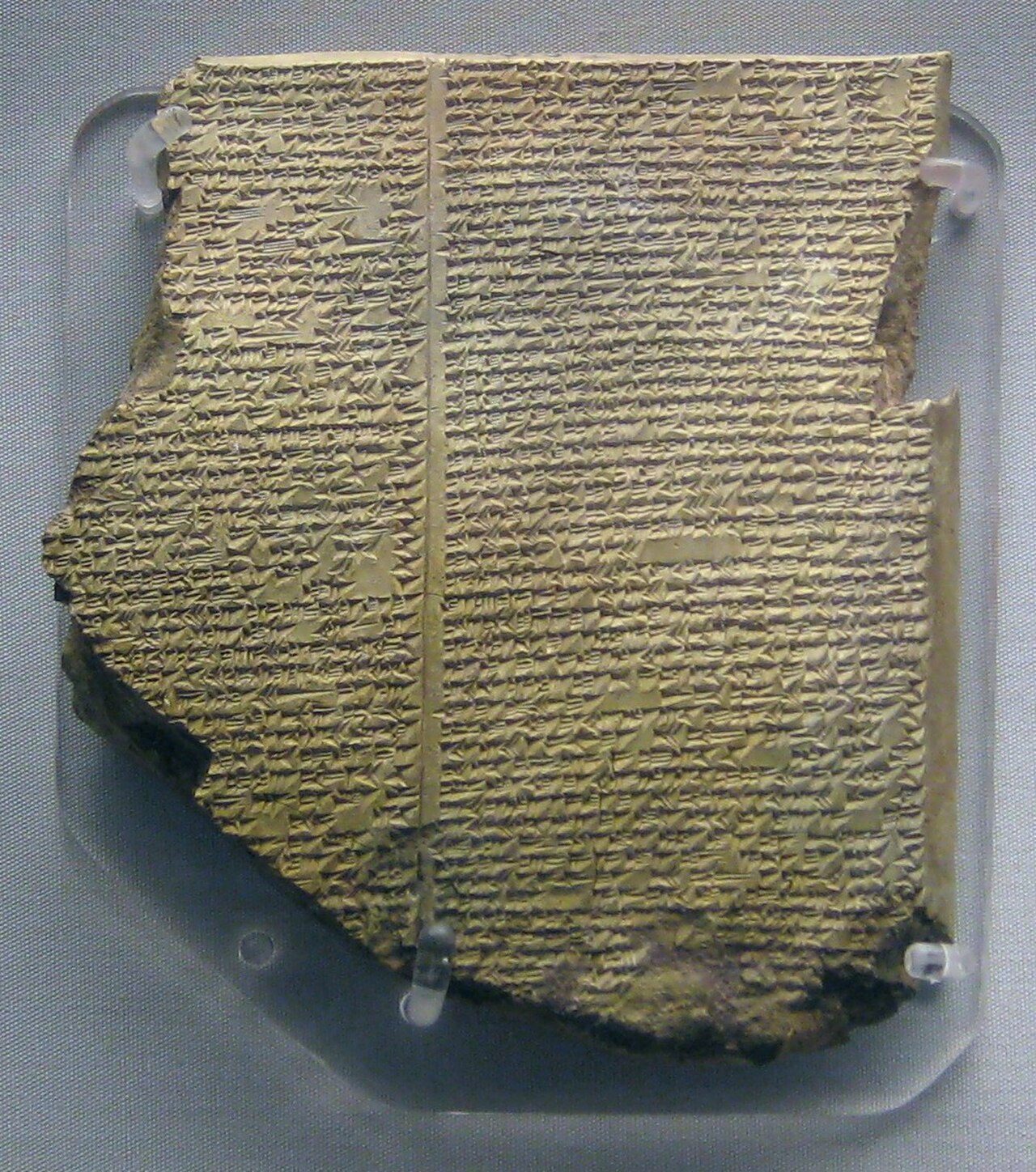
…and when the water stood over the roofs of [····], the ones who had built the high places said to the ones who rowed: do not write our names, write only that the water remembered us, so that every people after us will carry the sentence and none will know whose it was.
Reverse face effaced by deliberate abrasion. See finding 04. Transcription confidence: 97%. The sentence itself is undamaged in every known carrier medium. It is always undamaged.
In plain words
People drowning in a flood asked to be remembered by a sentence instead of their names. That sentence still exists. You have now read it.
Readings · how 5 of the five doctrines interpret this record
The founding act itself. The drowned commissioned the division: one sentence, distributed, authorless. This tablet is the moment the record chose to shatter.
Read the tense. Past tense, for an event the tablet says is ongoing. The sentence arrived before the flood it describes.
“The ones who rowed” survived. Someone carried this instruction out of the water and has been filing reports ever since.
A warning label, first printing. “Every people after us will carry the sentence” — because every people after them would need it.
Note who is absent. Builders and rowers, named by role, never by name. One party on that roof made the naming rule, and is not listed among either group.
Related records
These records share a thread or a tradition with this one.